Actor Imran Khan Gets High Court Relief Against India Deportation Notice
 Collected Image
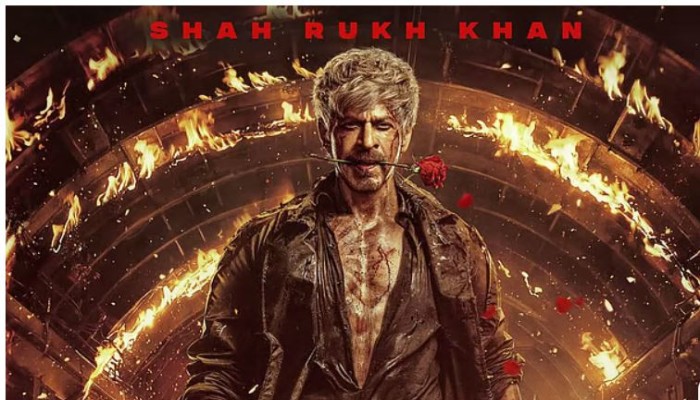
MUMBAI: The Bombay High Court on Tuesday granted interim relief to Bollywood actor Imran Khan, staying an order issued by the Foreigners Regional Registration Office (FRRO) that directed him to leave India.
The division bench of Chief Justice Mahesh Chandra Tripathi and Justice Adwait Shethna ordered the stay after the Central Government assured the court that no coercive action would be taken against the US-citizen actor until the next hearing, scheduled for November 2.
The emergency hearing was fast-tracked after Senior Advocate Venkatesh Dhond, representing Khan, urged the court for an urgent session, pointing out that the FRRO directive required the actor to depart the country by Wednesday (October 28).
Additional Solicitor General Anil Singh, appearing for the Union Government, sought time to respond to the petition while assuring the bench that no immediate steps would be taken against Khan in the interim.
Controversy Over Protest Participation
Khan, who holds Overseas Citizen of India (OCI) status, was issued a notice by the Mumbai FRRO on October 15, ordering his departure by October 28.
The directive followed complaints by Bharatiya Janata Party (BJP) leader Kirit Somaiya, who alleged that Khan violated visa conditions for foreign nationals by participating in a political demonstration demanding the resignation of Chief Election Commissioner Gyanesh Kumar.
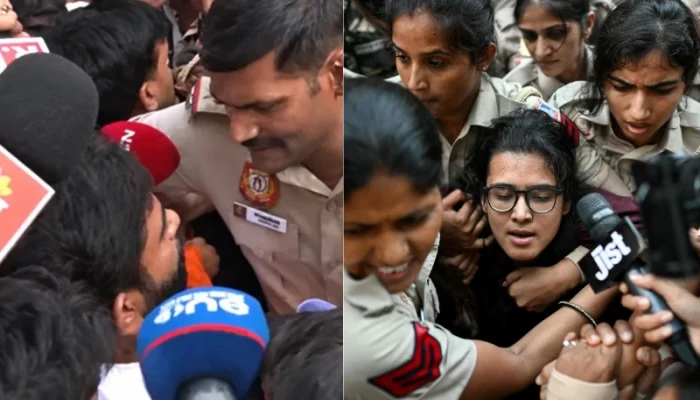
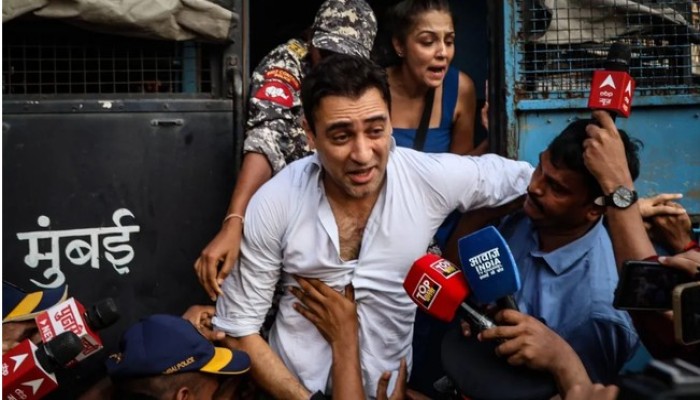
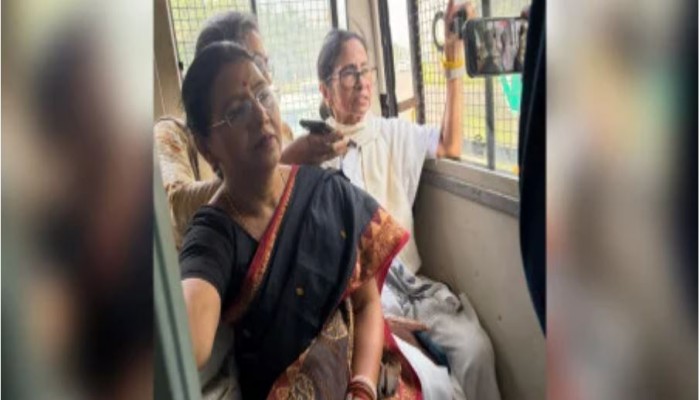
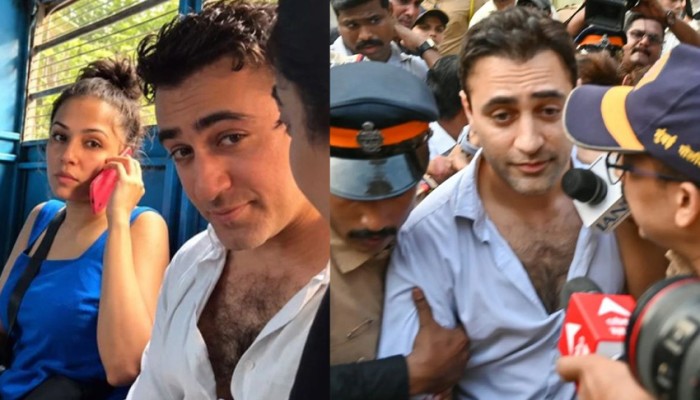
Earlier on October 10, Mumbai Police briefly detained Khan near August Kranti Maidan, along with his partner Lekha Washington, mother Nuzhat, cousin Zain Marie Khan, and several others. The group was attending a campaign led by activist Tushar Gandhi and the Cockroach Janata Party (CJP) to protest the Election Commission’s Special Intensive Revision (SIR) of voter lists.
'Arbitrary and Unlawful'
Challenging the deportation notice in the High Court on October 17, Khan termed the FRRO order "arbitrary, illegal, perverse, and harsh."
In his petition, the actor asserted that he had not violated any provisions of the Immigration and Foreigners Act, 2025, or the Citizenship Act. He argued that the order failed to specify which legal provisions he had allegedly infringed upon and noted that no show-cause notice was issued to grant him a fair hearing before taking action.
Denying active participation in the demonstration, Khan stated that no protest was underway when he arrived at the location, nor did he cross police barricades. He maintained that he was detained while returning to his vehicle after being surrounded by media personnel.
Invoking Articles 14 (Equality before Law) and 21 (Protection of Life and Personal Liberty) of the Indian Constitution, Khan contended that the notice infringed upon his fundamental rights and was driven by political motives.
Highlighting his lifelong ties to the country, Khan noted that he has resided in India since the age of two—building his family, education, marriage, and career there—and has no prior criminal record. He urged the court to permanently quash the FRRO directive.

 Collected Image